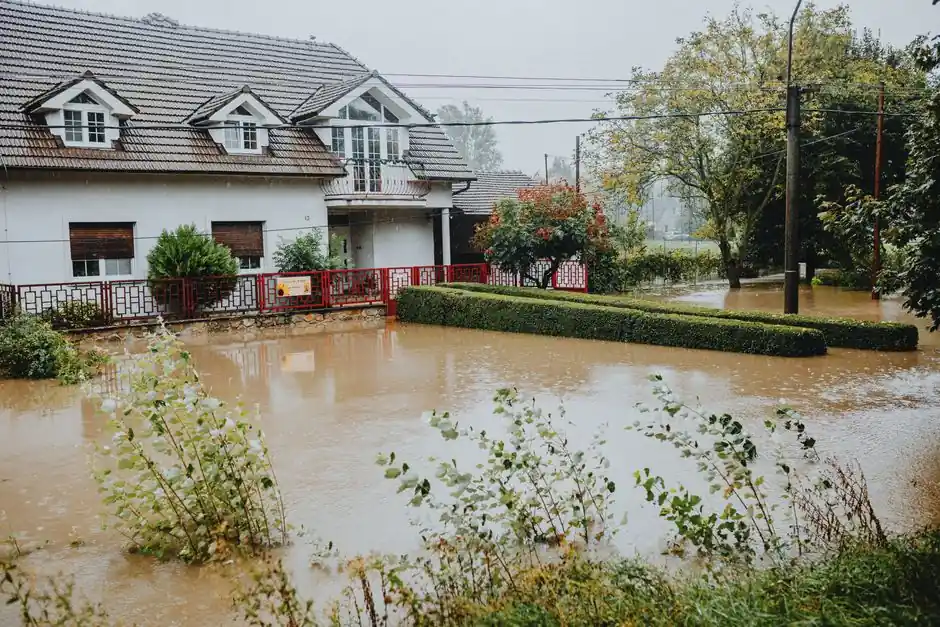
When homeowners think about water damage, they often picture a flood. In practice, the causes that affect McKinney homes most often are smaller and more local: a supply line that fails, a washing machine hose that splits, a water heater in an attic that leaks into a ceiling, a roof that has lost a shingle, or soil and drainage that move water toward a foundation. Understanding each cause, and the simple checks that catch it early, is the most practical way to reduce both the frequency and the cost of water damage.

Plumbing leaks and burst pipes
Plumbing is the most common indoor source of water damage. Supply lines, fittings and valves can fail suddenly, or leak slowly for weeks before the damage becomes visible. A slow leak under a sink, behind a toilet or inside a wall may first show as a stain, a soft spot in drywall, a musty odor, or a water bill that rises without explanation.
Prevention is mostly about knowing your home. Learn where the main water shut-off is and how to use it, and check visible supply lines, valves and connections regularly for drips, corrosion or swelling. During a winter cold snap, which McKinney does experience, pipes in unheated areas such as garages, attics and exterior walls are at greater risk, so insulation and attention to exposed piping are worth the effort. If a pipe bursts, shutting off the main supply quickly matters more than cleaning up first, and a water damage inspection can help establish how far water travelled beyond the visible area.
Appliances and water heaters
Washing machines, dishwashers, refrigerators with water lines and water heaters all bring water into a home, and each has parts that wear out. Washing machine hoses, in particular, can split or disconnect, releasing a large amount of water quickly, while a dishwasher or refrigerator line may leak slowly and wet flooring and cabinets over time.
Check appliance hoses and connections for bulging, cracking or dampness, and replace hoses that show wear rather than waiting for a failure. Water heaters deserve special attention in McKinney, because many are located in attics: a leak there can damage the ceiling below before it is noticed, and a drain pan that is missing, damaged or not draining properly will not contain the water. If an appliance leaks, turn off its supply valve, keep electrical items away from wet areas, and consider water extraction and drying if water has reached flooring, walls or cabinets.
Roofs, gutters and windows
Roof leaks are a common cause of ceiling and wall damage, and they are often noticed only after rain has entered for some time. Missing or damaged shingles, worn flashing around chimneys, vents and valleys, and clogged gutters that overflow can all let water into a roof structure, where it may travel some distance before showing as a stain.
Prevention includes regular roof checks after storms, keeping gutters and downspouts clear so water flows away from the house, and checking window seals and flashing for gaps. After a storm, look for water stains on ceilings, damp insulation in an accessible attic, and water around windows and doors, but avoid climbing onto a wet or damaged roof. If a roof leak has wet a ceiling, water damaged ceiling repair planning should wait until the roof source is fixed and moisture has been checked, otherwise the same stain is likely to return.
Storms, drainage and foundations
Heavy rain and storms can overwhelm drainage, push water through low areas, and expose weaknesses in grading and foundations. In McKinney, expansive clay soil can move with changes in moisture, which can affect slab foundations and plumbing beneath a slab, and can also make drainage problems more noticeable over time. Water that pools near a foundation, or that flows toward a house rather than away from it, should be treated as a warning sign, even if it has not yet entered the home.
Practical steps include keeping soil graded away from the foundation, keeping downspouts extended away from the house, clearing drains and low areas, and checking for cracks or gaps where water can enter. After a storm, check low rooms, garages and areas near exterior doors for water, and do not assume that a room is dry because the floor surface looks dry. For storm-related water inside a home, storm damage cleanup and flood damage restoration may be needed, depending on the source and extent of the water.
Bathrooms, kitchens and condensation
Bathrooms and kitchens combine plumbing, appliances and humidity, which makes them frequent sources of water damage. A leaking toilet base, a shower seal that has failed, a sink trap that drips, or a kitchen appliance line that leaks can all wet flooring, cabinets and the rooms below. Poor ventilation in bathrooms can also keep surfaces damp, which encourages mold growth even without a major leak.
Check toilet bases, shower seals and sink connections for dampness or discoloration, and use ventilation fans during and after showers so moisture does not linger. Air conditioning condensation is another local factor: ducts, vents and drain lines that are not draining properly can add moisture to ceilings and walls, particularly in summer. If a bathroom or kitchen leak has been present for some time, mold remediation in McKinney may also be needed, because mold often follows prolonged dampness.
A simple prevention routine for McKinney homeowners
Prevention does not require a major project. A short, regular routine catches most problems early: check visible plumbing and appliance hoses, look under sinks and around water heaters, check ceilings for new stains after rain, keep gutters clear, confirm that downspouts and grading move water away from the house, and use bathroom ventilation. After any leak or storm, check the rooms below and beside the affected area, not just the room where water was first seen.
If you find a leak, a stain that returns, a musty odor, or water that you cannot trace to a source, ask for help early. For a home in McKinney, Professional Water Damage Restoration Services can help with assessment, water mitigation to prevent further damage, and water damage cleanup where needed. Early action is usually simpler and less disruptive than waiting until a small leak becomes a larger repair.
Most water damage in McKinney homes comes from familiar causes, and most of those causes give warning signs before they become major repairs. Regular checks, prompt attention to leaks and drainage, and moisture checks after any incident are the practical steps that make the biggest difference. If you have already had an incident, see what to do immediately after water damage and how long water damage takes to dry, or return to McKinney Water Damage Restoration for an overview of services in McKinney.