What water extraction is — the first step, not the whole job
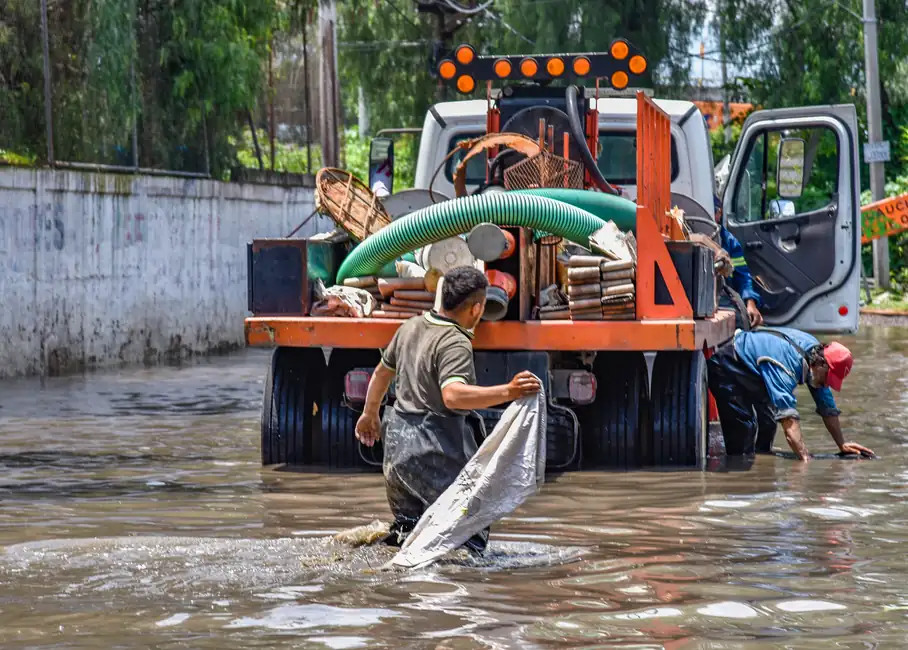
Water extraction is the removal of standing water from a property. It is the urgent first step after flooding, a burst pipe, an appliance failure or a roof leak, and it comes before drying, cleaning and repairs. Extraction alone does not dry a structure: after standing water is gone, moisture remains in flooring, drywall, insulation and subfloor, and that moisture still needs to be dried and checked.
That distinction matters. A property can look dry after extraction while walls and floors underneath are still wet. If drying is skipped, moisture can lead to odour, warped materials and mould growth in the following days. Extraction is therefore always paired with moisture checks and drying, even when the visible water is gone quickly.
What is included in water extraction in McKinney
1. Safety and source check
Before extraction begins, the source is identified where possible, electrical risks are considered, and contaminated water is identified so it is handled differently from clean water.
2. Standing water removal
Pumps and wet vacuums remove standing water from floors, carpets, garages and low areas. The equipment used depends on depth, area and whether debris or sewage is present — a single wet vacuum is not suitable for deep or contaminated water.
3. Initial moisture readings
After extraction, moisture meters give a first reading of affected materials. Those readings set the starting point for drying and for deciding which materials can be dried in place.
4. Handover to drying
Extraction ends with a clear plan for drying: what equipment will be used, which rooms are affected, and when moisture will be checked again. Drying is a separate stage, not an automatic result of extraction.
How extraction works, step by step
- Make the area safe. Avoid standing water near electrical equipment, and do not enter a flooded area if the water may be contaminated.
- Find the source. If a pipe has burst, turn off the water supply if it is safe to do so. For storm water, note where water entered, so that entry point is not missed.
- Remove standing water. Pumps and extractors work from the deepest area outward, so water is not pushed into dry areas.
- Protect belongings. Move dry belongings out of the wet area where it is safe to do so, and note what was affected for your records.
- Measure, then dry. Moisture readings are taken before drying equipment is placed, so progress can be tracked against a starting point.
Water extraction in McKinney: local notes
In McKinney, extraction is most often needed after burst pipes in winter cold snaps, attic water heater failures, appliance leaks, and heavy rain that enters through roofs, windows or low doorways. Slab-on-grade homes mean water can spread across a hard floor quickly and reach cabinets, baseboards and adjoining rooms before it is noticed. Checking adjacent rooms and hallways, not just the room with visible water, is therefore part of a thorough extraction visit.
Cost factors and how long extraction and drying take
Cost depends on the water category, the area and materials affected, how long water was present, and the drying and repair work needed. We provide a written scope after an on-site assessment, so you know what is included before work begins.
Extraction and initial cleanup can often begin the same day. Drying typically takes 2 to 5 days, depending on the severity of the damage, the materials affected, and how long water was present. Repairs after drying are planned separately.
Extraction itself may take a few hours for a single room, or longer for a whole floor or a property with deep water. That time is not the same as drying time, which is measured in days.
When extraction is urgent
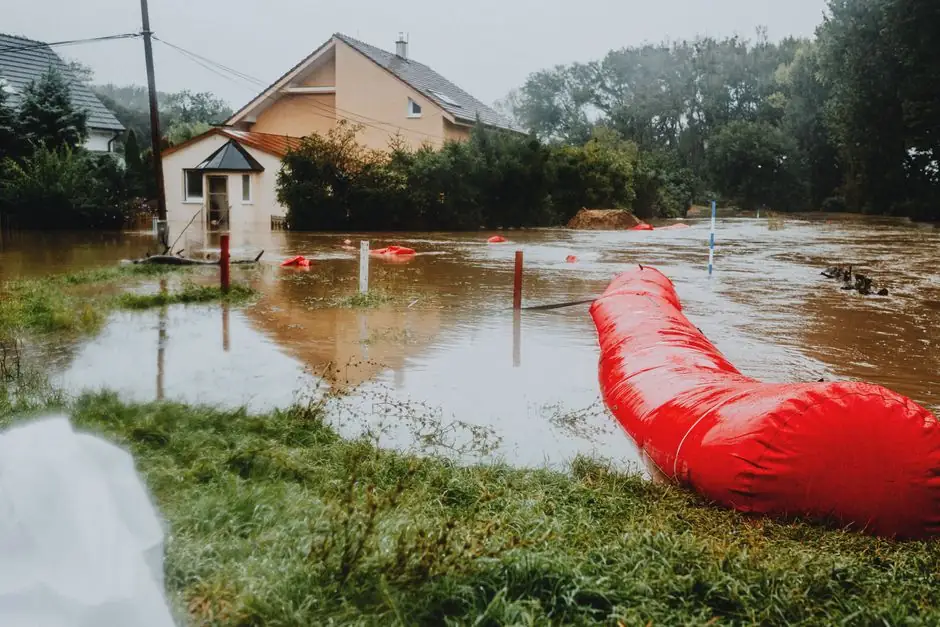
Call immediately if water is rising, covers a large area, has reached electrical systems, or may be sewage or floodwater from outside. Do not wait for water to drain on its own, and do not use a household vacuum on standing water. If you are unsure whether water is contaminated, treat it as contaminated and keep clear. Damp materials left after extraction can also support growth, so if you notice mold or a musty odor, consider mold removal and remediation. To understand what happens after extraction, see how long water damage takes to dry in McKinney.
Our Expertise in Water Extraction
Our team handles water damage situations, from minor leaks to major flooding events.
- Trained in water damage restoration and mitigation.
- Experienced in handling various water damage scenarios, including storm damage and sewage backups.
- Trained in using advanced equipment like moisture meters and thermal imaging cameras.
- Experience serving customers in McKinney and surrounding areas.
Frequently Asked Questions
Real answers to the questions we hear most often from local homeowners and property managers.
What is water extraction?
How much does water extraction cost in McKinney?
When should I call for water extraction in McKinney?
How to get water extraction in McKinney?
Related Services
Water Damage Cleanup
The full cleanup, drying and cleaning work that follows water removal.
View Water Damage CleanupWater Mitigation
Source control, protection and drying planning to limit further damage.
View Water MitigationWater Damage Inspection
Checks for visible and hidden moisture before repairs are planned.
View Water Damage InspectionAll Services
See every water damage service in McKinney, TX, in one place.
View All ServicesGet in Touch with Us
We invite you to reach out for any water damage restoration needs. Our team is available 24/7 to assist you with quick responses and effective solutions.
McKinney Water Damage Restoration
-
Hours
Open 24/7 – Every Day