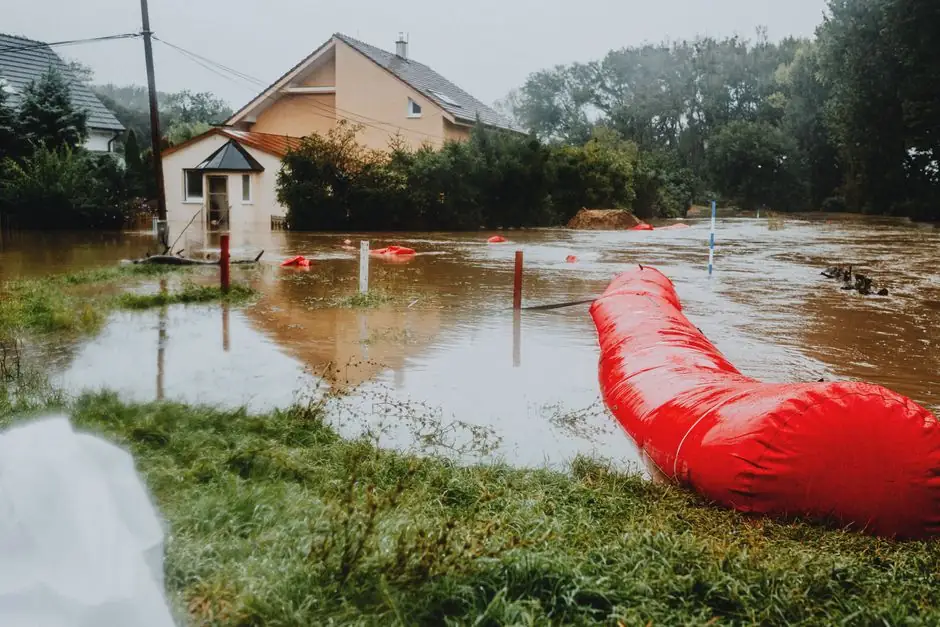
What water mitigation is — stopping further damage
Water mitigation is the work done immediately after a water event to limit further damage while the full cleanup and repair plan is put together. It answers a different question from cleanup: not “how do we restore this room?” but “what do we do right now so this does not get worse?”
Mitigation typically includes stopping or controlling the source where possible, removing standing water, protecting unaffected areas, starting drying, and documenting what was affected. It does not, by itself, finish a property: repairs, refinishing and any material replacement still need to be planned after drying and moisture checks.
What is included in water mitigation in McKinney
1. Source control and protection
Where it is safe, the source is stopped or controlled, and dry areas, belongings and electrical systems are protected from spreading water.
2. Water removal and initial drying
Standing water is removed and drying equipment is placed in affected areas. Early drying matters most soon after water enters, when moisture is most likely to spread into materials.
3. Moisture documentation
Affected areas and moisture readings are recorded at the start of mitigation. That record helps you, an insurer, and any repair contractor understand what was wet and what was done first, rather than relying on memory later.
4. Mitigation plan and next steps
At the end of mitigation you should have a clear next step: which areas still need drying, which materials are being monitored, and what repairs will need a separate decision after drying is complete.
How mitigation works, step by step
- Control what can be controlled. Turn off a water supply for a plumbing leak if it is safe, or keep clear of storm and sewage water until help arrives.
- Protect what is still dry. Move dry belongings, lift items off wet floors where safe, and prevent water from spreading to adjoining rooms.
- Remove water and start drying. Standing water is removed first, then air movement and dehumidification begin in affected areas.
- Record and measure. Photos and moisture readings are taken before, during and after drying, so progress is visible and checkable.
- Decide repairs after drying. Material replacement and refinishing are decided after moisture readings fall, not while materials are still wet.
Water mitigation in McKinney: local notes
Mitigation is particularly important in McKinney for attic water heater failures and roof leaks, where water can travel inside walls and ceilings before it is seen. A quick surface dry in the room below does not mitigate the hidden moisture above it. Mitigation should therefore include checking the ceiling, attic access and adjoining rooms, and documenting the likely path of the water, even if the visible damage is small.
Cost factors and how long mitigation and drying take
Cost depends on the water category, the area and materials affected, how long water was present, and the drying and repair work needed. We provide a written scope after an on-site assessment, so you know what is included before work begins.
Extraction and initial cleanup can often begin the same day. Drying typically takes 2 to 5 days, depending on the severity of the damage, the materials affected, and how long water was present. Repairs after drying are planned separately.
Mitigation cost is driven mainly by how quickly water is removed and dried, and by how much area must be protected and monitored — early action usually limits the later repair scope, but it does not remove the need for drying time.
When mitigation is the right first call
Call for mitigation when water has just entered a property, when a leak has been stopped but materials are still wet, or when you need a documented record of what was affected for an insurer. Mitigation is not a substitute for repair: if drywall, flooring or insulation cannot be dried safely, replacement will still be needed after drying. Where damp materials have already developed growth, mold inspection and remediation may be needed alongside mitigation. For the causes that lead to repeat incidents, see common causes of water damage in McKinney homes and how to prevent them.
Our Expertise in Water Mitigation
Our team handles water damage situations in McKinney.
- trained technicians with extensive training in water damage restoration.
- Experience serving the McKinney community with water damage services.
- Utilization of advanced tools like thermal imaging cameras for precise moisture detection.
- Proven track record of successfully mitigating water damage in residential properties.
Frequently Asked Questions
Real answers to the questions we hear most often from local homeowners and property managers.
What is water mitigation?
How much does water mitigation cost in McKinney?
What are the steps in water mitigation?
How quickly can I get water mitigation in McKinney?
Related Services
Water Damage Cleanup
Full cleanup and drying work after mitigation has limited further damage.
View Water Damage CleanupWater Extraction
Standing water removal, the first practical step in most mitigation work.
View Water ExtractionWater Damage Inspection
Moisture documentation that supports the mitigation and repair plan.
View Water Damage InspectionAll Services
See every water damage service in McKinney, TX, in one place.
View All ServicesGet in Touch with Us
We invite you to reach out for any water damage restoration needs. Our team is available 24/7 to assist you with quick responses and effective solutions.
McKinney Water Damage Restoration
-
Hours
Open 24/7 – Every Day